
The direct translation of Fuerteventura means strong (fuerte) fortune (ventura), but it’s supposed to describe the windy climate as well. Besides the strong wind, the second largest island in the Canaries is known as a paradise for white sand beaches. That is entirely true, but there are more things to see and do in Fuerteventura than sunbathing every day.
During the road trip, we propose in this 5-day Fuerteventura itinerary, you will have the chance to explore charming villages, unique landscapes, and rock formations. For a moment, you will think you are on another planet.
5 days Fuerteventura itinerary
This post will give you all the information on indispensable things to see and do in Fuerteventura in 5 days and which to exclude. At the end of each day, you will find suggestions for additional best things in Fuerteventura so you can modify your Fuerteventura itinerary to meet your travel style.
To follow the suggested Fuerteventura itinerary for 5 days you should rent a car. It’s the easiest way of transport to get around the island.
Fuerteventura Itinerary for 5 days
DAY 1: Discovering Eastern Fuerteventura
Landing on the island of Fuerteventura in the early afternoon, we decided to explore the eastern coastline while driving toward our base for the first few days in the south of Fuerteventura.
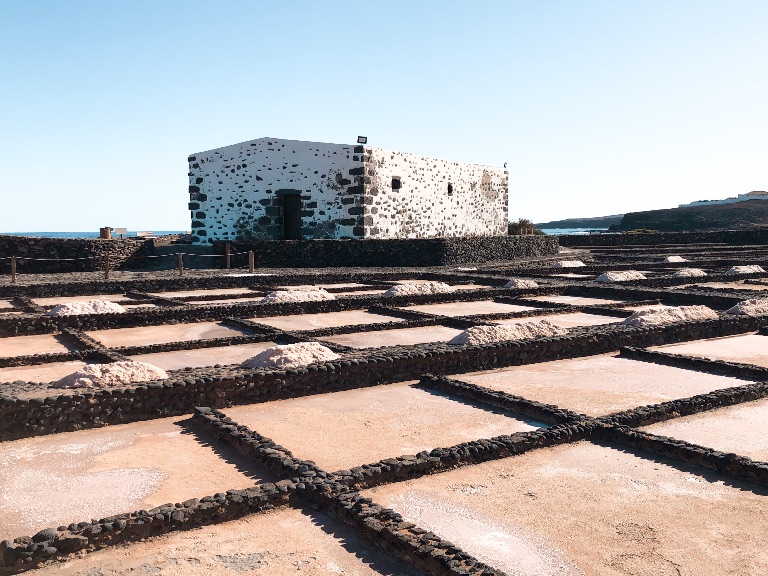
Salinas del Carmen
A few kilometres from the Fuerteventura airport lies over 26 thousand m2 of salt ponds, which were voted the best salt in the Canary Islands in the Official Agrocanarias 2020 Marine Salt Contest. Salt production started precisely here in the 18th century. Today, Salinas del Carmen produces around 60 tons of salt per year.
The visit to the salt ponds is free of charge. From the parking spot, go to the right (opposite the museum) and down. You will see the entrance on the left side. Wander around the salt worker’s house, warehouse, and ponds of unique colours. Visit the museum to learn about the process of producing salt in detail.
Pozo Negro
The village of Pozo Negro represents the archaeological remains of the settlement of La Atalayita. Tourist-untouched areas are excellent escapes for those who want to step back in time and enjoy unspoilt nature. There are no facilities on the black volcanic beach. Apart from a few fishermen’s houses and two local restaurants, there is nothing else to do.
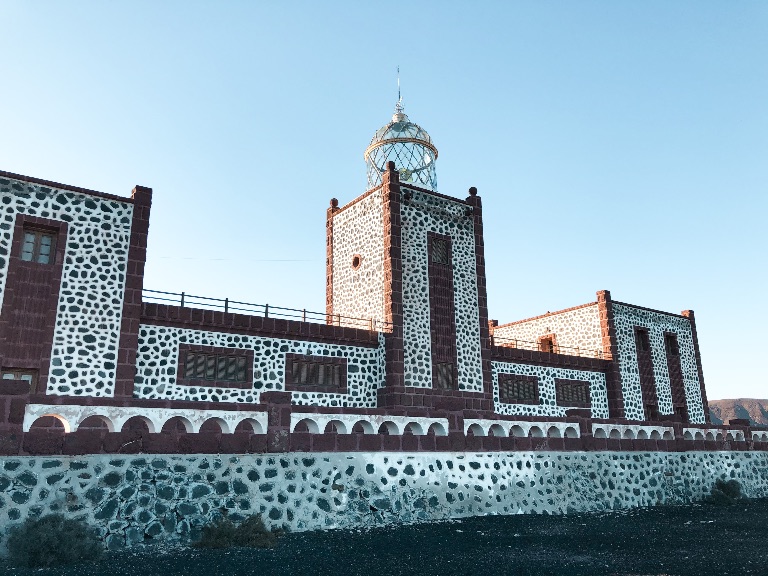
Entallada Lighthouse
This active lighthouse is situated on high cliffs around 200 meters above the sea. It’s the largest one in the Canary Islands and the closest point to Africa—100 km from Morroco.
To reach this point, you need to pass the fishing village Las Playitas, which we will visit afterwards. The last portion of the road is relatively narrow and not suitable for two cars meeting. Therefore, please be cautious when driving, as there is no fence. Once there, you can find a large car park and a wooden path to the viewpoint, offering a spectacular view of the ocean.
We recommend you stop by in the morning to admire the sunrise or in the afternoon to watch the sunset.
Las Playitas
The traditional fishing town of Fuerteventura features small white houses and a volcanic sand beach. It is mainly a family resort area and a great stop for lunch or dinner while visiting this side of the island.
Additional day trip ideas or interesting points to add to this Fuerteventura itinerary
If you land in the morning or decide to be stationed on this side of the island, we highly recommend adding below beaches and beautiful places in Fuerteventura to your itinerary. Due to rainy and windy days, we didn’t stop at them and so regretted it. But hey, you can’t control the weather.
- Playa del Matorral
- Piscina Natural Castillo (Castillo natural pool)
- Playa del Castillo
DAY 2: Endless beaches hoping on the South of Fuerteventura
The second name for the South of Fuerteventura is beaches. The most extensive coastal area with sandy beaches everywhere you look. We decided to stationed ourselves here to explore them for a day before heading to the other side of the island. There are many resorts directly at sea, with Morro Jable being the biggest town in this area.
Playa de Sotavento
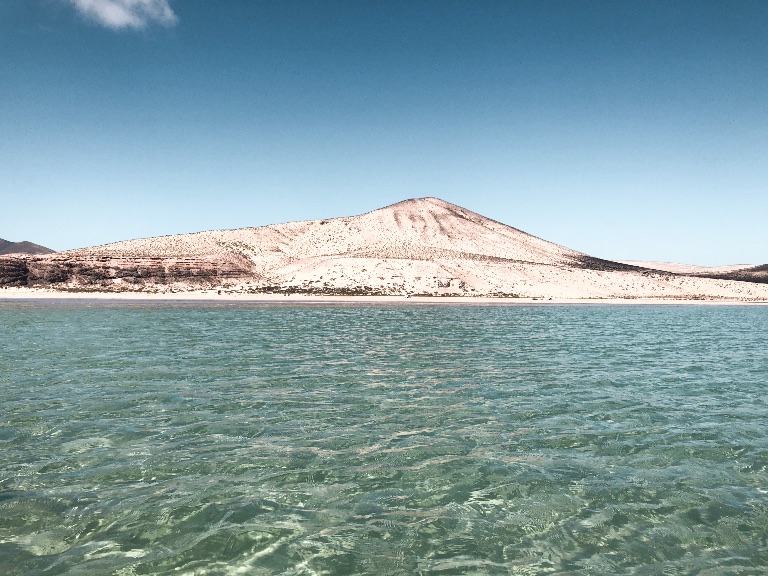
The endless golden beach sand extends over 6 km. It consists of five beaches: Playa de La Barca, Playa Risco del Paso, Mirador, Malnomre, and Playa de Los Canarios. It’s ideal for windsurfers and kiteboarders. It’s the perfect location to take a surf lesson you have wanted for so long 🙂
The high and low tide variation of the sea creates beautiful lagoons. The water is incredibly clear, and you can even see the tiny fish. Due to its length, there is enough space to find your oasis and enjoy yourself far away from the others. To see them make sure to come early in the morning. The sea temperature was pleasant in February, even for people freezing like me (Tjaša). You can park directly at the beach.
We would highly recommend stopping and enjoying this incredible beach. It was one of the best beaches we visited in Fuerteventura.
Playa Esmeralda
Next to Sotavento beach, you can find numerous other sandy heavens. We decided to stop by Playa Esmeralda. It’s a more windy beach and nudist as well. However, you don’t need to be a nudist to enjoy it. You can also rent sunbeds.
Playa La Pared
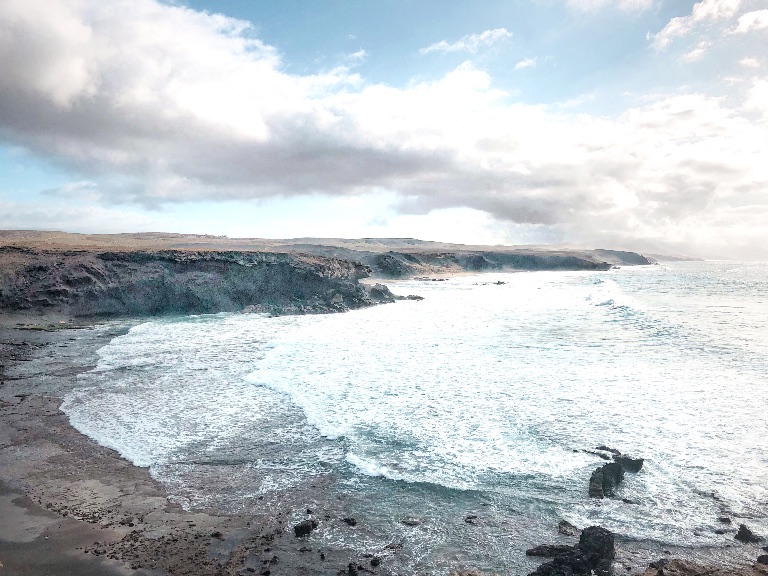
The beach situated on the wild western side of Southern Fuerteventura on the Jandia Peninsula is, without a doubt, the perfect place to finish your day. Guarded by two high cliffs on which you can climb with black volcanic sand and high waves in between.
Its position reflects the name – pared in Spanish, which means a wall that, back in the days, divided the kingdom of Maxorata and Jandia. It can also be connected to the fact that the beach is split into two parts: Playa La Pared and Playa de Viejo Rey. Playa La Pared is one of the best beaches for surfers, but it’s not suitable for swimming. It’s easily accessible by car, although the road is dirty. Make sure to climb one of the cliffs to get the amazing views of the ocean.
Other interesting places in South Fuerteventura
- Mirador del Salmo (to look at Costa Calma)
- Morro Jable
- Faro de Punta Jandía (the far west point of the Fuerteventura)
- Mirador de Cofete and Cofete beach
- Pico de la Zarza – the highest point (cannot be reached by car, only by foot)
- Playa de Mal Nombre
- Playa Matorral
DAY 3: Unique landscape of central Fuerteventura
We devoted the third day to exploring the central part of the island while moving towards the north, where we spent the rest of four days. We booked a hotel in Corralejo to be close to the other point of this five-day Fuerteventura itinerary and the airport.
Viewpoints overlooking unique landscape
There are many gorgeous viewpoints where you can stop and admire the unique landscape, which makes you think you are on a completely different planet. The best and most rewarding ones for us were Mirador de Sisacumbre, Mirador del Risco de las Peñas, and Mirador de las Peñitas.
We have also stopped at:
- Betancuria viewpoint
- Mirador Guise y Ayose
- Mirador de Morro Velosa
They are all next to the road leading towards Corralejo, making it easy to quickly decide whether you want to stop or not.

Ajuy caves
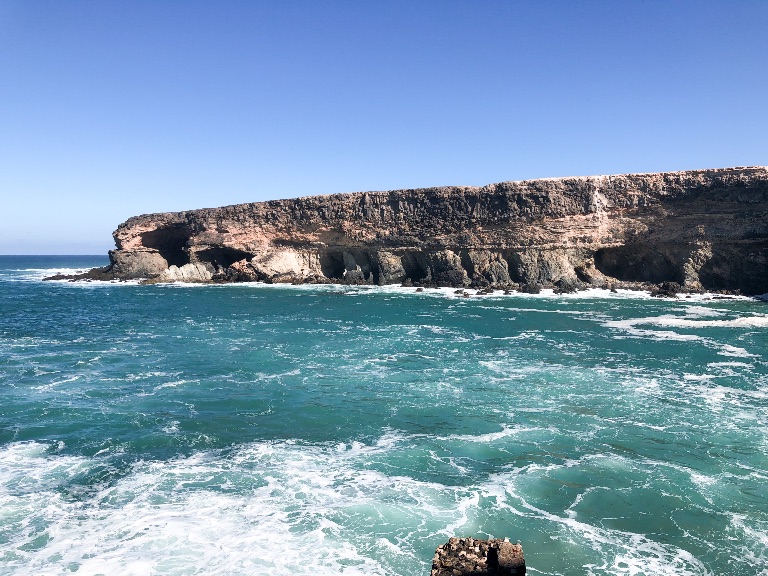
Driving from the first viewpoint, Mirador de Sisacumbre, towards the west coast of Fuerteventura, we stopped at the Ajuy caves. They form the oldest rock formations in the Canary Islands. More than 100 million years ago, a flow of lava and sediment came to the surface, creating these unique forms. In 1987, they were declared a National Monument. Make sure to visit them and travel back in time to the very origins of Fuerteventura.
Arriving on the main road, you will see a free car park. From there, descend to the beach and continue to the right side. The road to the caves begins on the beach itself, which is nicely marked. You should set aside not more than one hour to go around. We recommend comfortable shoes.
Barranco de las Peñitas
One of the most exciting hikes on the island is Barranco de las Peñitas. You can find the 2 km long route between the town Vega de la Peñas and the enclave known as Buen Paso.
To start the walk, turn left when descending from the Miradors de las Peñitas. Drive to the restaurant Casa Naturaleza and over the bridge, where you will find small parking. The path begins a few meters from here. From there, follow the trail, which takes you through the route lined with palm trees. It reminded us of a path leading to an incredible oasis with a secret water pond. At times, it felt like someone moved a piece of Morocco to Fuerteventura.
After walking for some time, you will reach the dam wall or Peñitas Dam, which is no longer operating. The artificial stream enables the creation of a series of small pools. Walking further alongside the stream, you will reach a white house (small hermitage) called the Ermita de las Peñitas. This is the most beautiful part of the path.
The first part is not steep and is suitable for almost anyone. The path is also marked, making it hard to get lost.

How to reach the Arco?

At the end of the Barranco de las Peñitas route, continue straight until you see the ruins of an abandoned house. There is a split and you need to use a slightly marked trail towards the north. Soon, the marked route disappears, and you need to climb up the rock, sometimes also with the help of your hands. It gets a little complicated and difficult if you don't have enough conditions. Once you reach the top, you will see the Arco de las Peñitas on your left side. A natural wonder in the middle of the rock forms an arch similar to those you see in the National parks in America. It took us about half an hour to complete the second part of the hiking.
Betancuria
Betancuria is the former capital of Fuerteventura and the first city built in the Canary Islands. It was founded in the 15th century by Jean de Bethencourt, a Norman conqueror, due to its natural benefits. The city is positioned inland on fertile land surrounded by mountains to prevent invasions. However, it has been under several attacks throughout history.
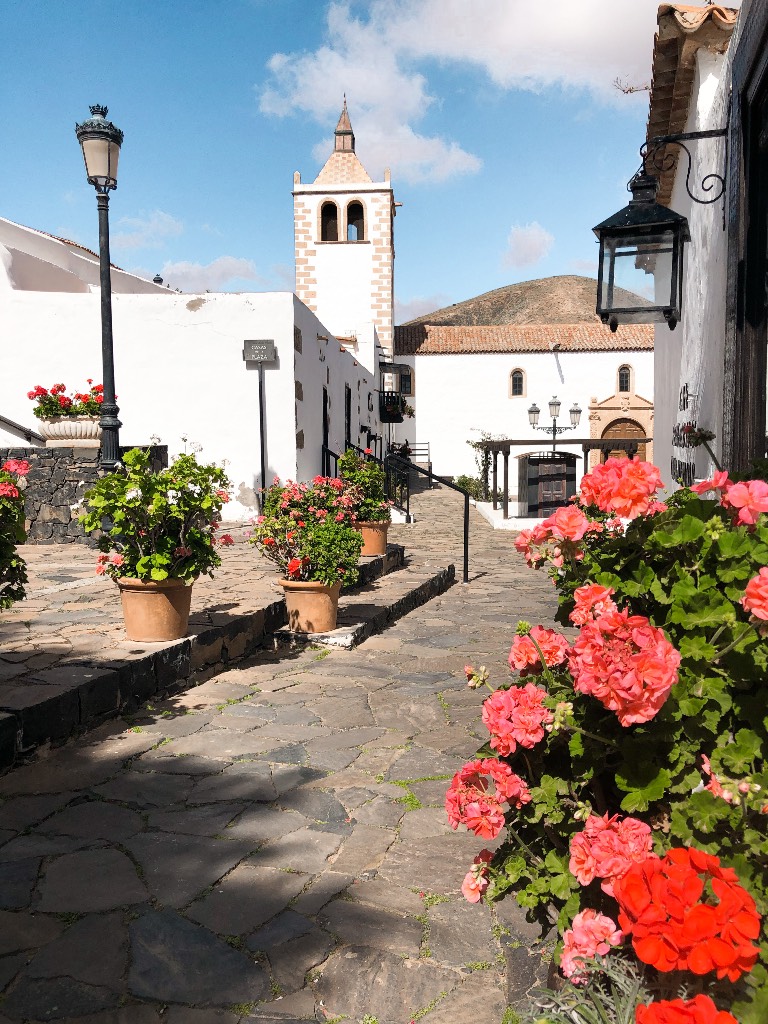
The most beautiful part of the small town is the Iglesia de Santa María de Betancuria. The first church built on the island has managed to preserve only the bell tower. However, the charming and picturesque walk towards it, surrounded by beautiful flowers and palm trees, will stay in your memory. There is not much more to do than have lunch or a refreshing drink at one of the restaurants, but Betancuria is so worth the stop and a quick glimpse into the past life in Fuerteventura.
Molino de Tefía
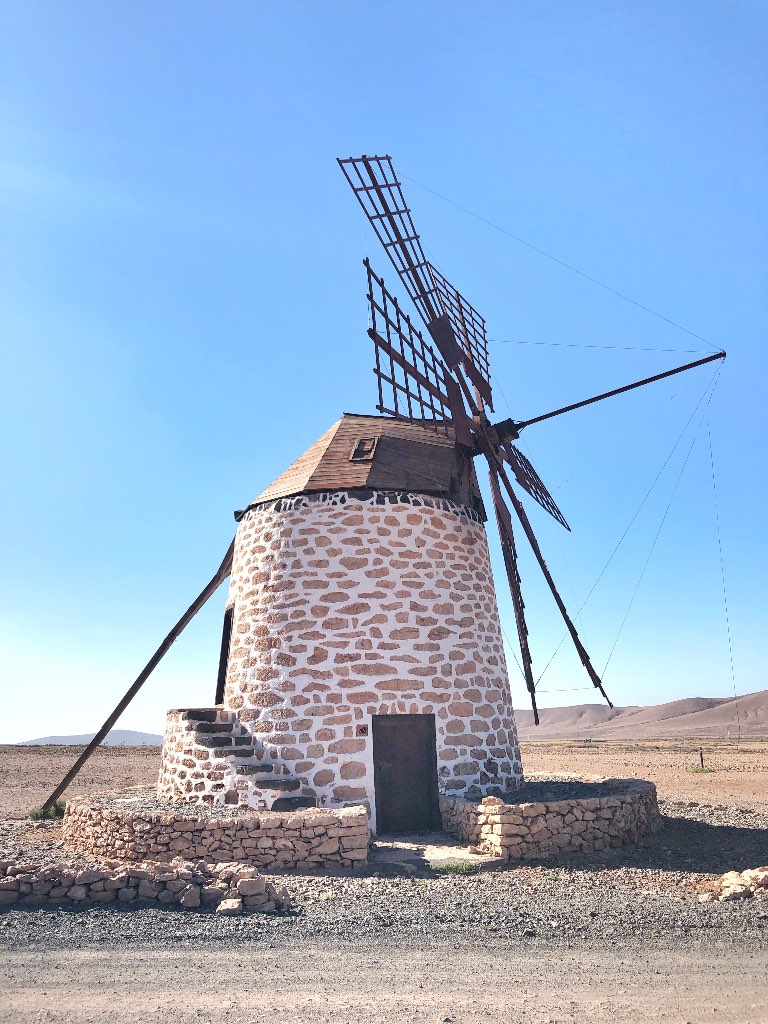
Touring the northern part of the island by car will inevitably lead you to see the windmills wherever you go. The estimated number of windmills in Fuerteventura is around 1000.
Mills were introduced to the island in the 18th century. The abundance of cereals at that time contributed to their importance. The first mills built were tower-type, which is the type best known to all. They have a circular shape and three floors of height.
The most preserved are located in Villaverde (more information will follow) and Tefia, both of which are easily accessible by car.
We ended the day by catching the sunset at the Grandes Playas Corralejo.
Other popular places to visit in West Fuerteventura
- Playa de la Solapa
- Aguas Verdes
- Cuevas de los Molinos (we stopped by but due to high waves, we were not allowed to go closer)
DAY 4: Best of the North Fuerteventura
From volcanos, incredible beaches and popcorn on them to windmills, the symbol of the island. All that you can find is north of Fuerteventura. This part of the island is windier than the south, and the sea is way colder. Due to this, it is heaven for surfing and kiting. Life happens in Corralejo, where most of the resorts are and, consequently, the tourist during their holidays.
Calderón Hondo
Calderon Hondo is part of several other volcanos, known together as the Buyayo alignment. They emerged around 50,000 years ago. The lava flows contributed to the enlargement of the northern part of Fuerteventura, making it even closer to its neighbour Lanzarote and creating Lobos Island (Isla de Lobos).
To access the volcano from Corralejo, drive towards Lajares and leave the road at the sign for Majanicho. You will see the parking lot at the foot of the volcanos. From there, simply follow the road and begin the journey. It took us 40 minutes to reach the top, which offers an impressive panorama view over the other volcanos and Fuerteventura. The highest point of the crater is around 280 meters above sea level.

La Oliva and windmills
A small village surrounded by volcanic mountains was the island’s political centre between the 17th and 19th centuries, replacing Betancuria. Today, it’s mainly focused on agriculture. It’s also home to Tindaya, a sacred mountain. In the eyes of the aboriginal inhabitants, the shape of the foot of the hill suggested it had magical properties. You can climb the mountain, which is accessible through a rocky road. Another option is to stop at the Mirador de Vallebrón, which offers fantastic views over Tindaya and its unique surroundings.
Another famous part is two windmills on a hilltop separating the cities of La Oliva and Villaverde. You can drive up to the hill with the car and take great photos of the gorgeous landscape.
El Cotillo
A small fishing village located on the northwest coast of Fuerteventura managed to retain much of its charm over the years. A great day trip from Corralejo to enjoy some of the finest beaches on the islands. As the west coast is windy, these beaches mostly attract surfers and kite surfers. Its location also provides an ideal spot to catch one of the best sunsets you’ve seen.
Barranco de Los Enamorados
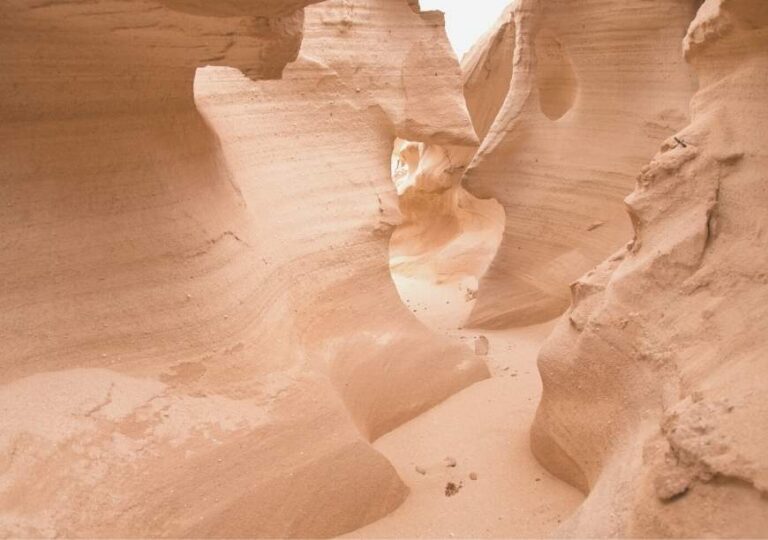
Close to the village of Lajares, you can find one of the wonders of Fuerteventura. Fossil dunes date back more than 135 thousand years. This area began to exist when the sea level lowered. Then, it was carved out by water and shaped by the wind.
The Barranco de Los Encantada got the nickname Barranco de Los Enamorados because many couples from Tindaya and El Cotillo came here to get away from the crowds and spend a romantic evening.
The 4 km-long ravine of fossilised sands is truly impressive and hidden from the eyes. We followed the instructions below but were not able to find the prettiest part of it. Give it a try. We cross our fingers you’ll be luckier. To reach Barranco de Los Encantados, you need to take the dirt off the road at the roundabout at Lajarers towards El Cotillo.
Playa del Bajo de la Burra – Popcorn beach
It’s one of the most exciting beaches on the northern coast of Fuerteventura. Instead of rocks, you will find tiny algae that look like popcorn. Isn’t it so cool? Unfortunately, it doesn’t taste like popcorn.
After some research, I found out that what looks like popcorn are dead red algae, more specifically Rhodoliths. For the time of their life and under the sea, they are red in colour. However, after they die, their skeleton becomes white due to the remaining lime. The waves carve the skeletons and bring them to the beach.

You can reach it directly from Corralejo either on foot (one hour of hiking) or by car. Most itineraries suggest going all the way to Majanicho, but it’s not necessary. Use the off-road on the right side of the Avenida Juan Carlos I. There is oversized parking and the northern beach of Corralejo. Just follow the road, and you will arrive at the beach in 10 minutes.
It’s a great place to visit and see the algae for yourself. But it’s not a beach where you would sunbathe and swim.
DAY 5: A step from the capital to the desert
To finish our stay in Fuerteventura, and due to the windy climate in February 2021, we had to adapt our itinerary from relaxing at the beach to finding a last-minute solution that wouldn’t take much of a drive. We did stop by the Grandes Playas de Corralejo and stayed there for half an hour, but I (Tjaša) was freezing.
So we decided why not visit the island’s capital to see why no one suggested it to us.
Puerto del Rosario
Like most towns here, Purto del Rosario was a small fishing village that was not significant in importance and turned into the capital city due to its central location. The latter made it possible for the city port to grow and became the main trading route for Fuerteventura. The growing importance of the city made it the capital of Fuerteventura in 1860.
People mainly stop in Puerto del Rosario, arriving from the airport or passing through to one of the resort towns. It’s a quiet city with a few bars and nothing else. There is a lack of buzzing vibes that would attract tourists coming mostly for beach hope and relaxation.
Dunas de Corralejo
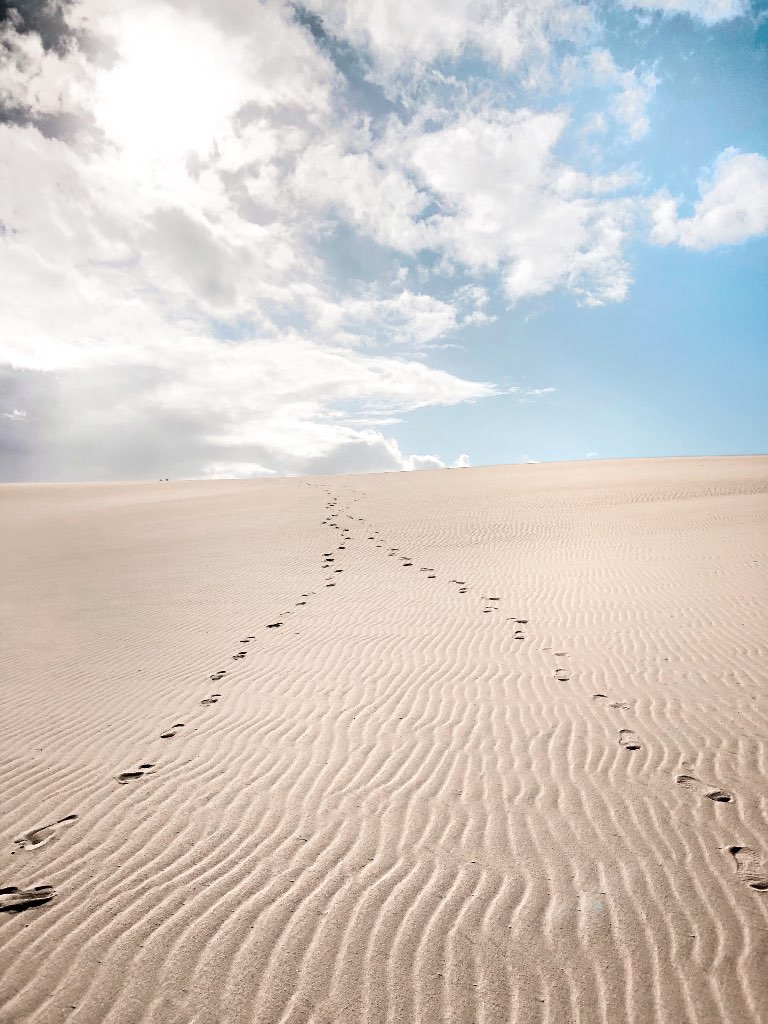
Have you ever seen kilometres of sand dunes and be a step from miles of turquoise waters? Neither have we. Welcome to Corralejo sand dunes – the natural wonder of Fuerteventura. The desert landscape covers almost 3 thousand hectares and was declared a natural park in 1982. They are also the largest ones in the Canary Islands that can, in some places, reach up to 50 metres in height. You have to park next to the beach and walk into the desert. There is a lot of free parking available, but you can also catch a bus or hike from the centre of Corralejo.
Next to the dunes, you will find Grandes Playas de Corralejo. These long beaches with crystal clear water are split into small beaches. They are nudist-friendly and a great spot for water sports like windsurfing and kitesurfing.
Beaches to visit in North Fuerteventura
Due to rainy and windy weather, we were not able to finalise our itinerary as planned. However, based on our research, here are some other beautiful beaches that you can explore.
- Playa Alzada
- Playa del Moro
- Playa de La Concha
- Playa De Los Lago
- Playa del Aljibe de la Cueva
Summary of 5 days Fuerteventura itinerary
Each island of the Canary Islands is different from the others. But we didn’t expect that it would impress us so much. From the first corner of the airport, we couldn’t get enough of this unique landscape.
We could do much more in these five days, but you cannot plan the weather. If you have some additional time, we recommend prolonging it for one or two days to stop by other major sights – La Playa de Cofete (Cofete beach) and the natural pool. You won’t be disappointed. Everywhere you look, you will find great photo opportunities and views that will stay in your memory.

Playa Esmerelda is where I want to be. I love each day you laid out for us.
Playa Esmeralda is super close to the main resort on the Costa Calma as well as to the Sotavento beach, which is for us a must-see when in this part of Fuerteventura. So happy to hear you like the itinerary.
Wow what an action-packed 5 days with a fantastic mix of beaches, historic points of interest and natural wonders. I look forward to visiting Fuerteventura!
Our travel itineraries are usually quite packed to make the most out of the time we spend at certain destination. To adapt it to your travel style, we propose some other things to see and do in Fuerteventura. You’ll love it 🙂
this looks like an EPIC itinerary! i hope to crecreat it all one day… from the Ajuy caves to Betancuria & popcorn beach, i think i’m in love with Fuerteventura, now more than i’ve ever been!
This is a place I would love to visit. It has all the outdoor adventures I love. that popcorn beach is really cool.
There is plenty of opportunities for all kinds of outdoor activities – hiking, cycling, surfing and much more. And the popcorn beach is a most to see, at least for us. We haven’t seen anything like this so far.
Your pictures are stunning! I would love to visit someday and follow this wonderful itinerary :).
Thank you so much, we are still evolving so this means a lot to us. If you decide to visit it, you will love it 🙂
Such beautiful pictures. Sounds like a great itinerary. Hope to visit someday. That popcorn beach looks fun.
Thank you! We tried to prepare a travel itinerary that combines the best of both worlds – beaches and some proper sightseeing 🙂
Fuerteventura looks like such a lovely place! The beaches look stunning and the landscape looks incredible! And those windmills are adorable! It’s never somewhere I’d really considered visiting but you might have just changed my mind! Thanks for the great guide!
It really is such a stunning place. And we completely understand you. The islands were nowhere close to the list of places we would visit but due to the current situation there were not many options. And we were so pleasantly surprised by Fuerteventura.
The windmill, lighthouse, and salt museum all have a unique architectural style, I love how the pattern of the stones has an asymmetrical and spotted look! Kinda artsy.
The algae really does look like popcorn, I’ve never seen that anywhere before! I wonder if that can be found anywhere else in the world or if that’s very specific to here?
So well spotted, the architecture of the inner part of the island is so unique and charming. And the algae are something we would never imagine to see. During our research we noted they are present in some other beaches around the world but this one in Fuerteventura is the most known due to the Instagram.